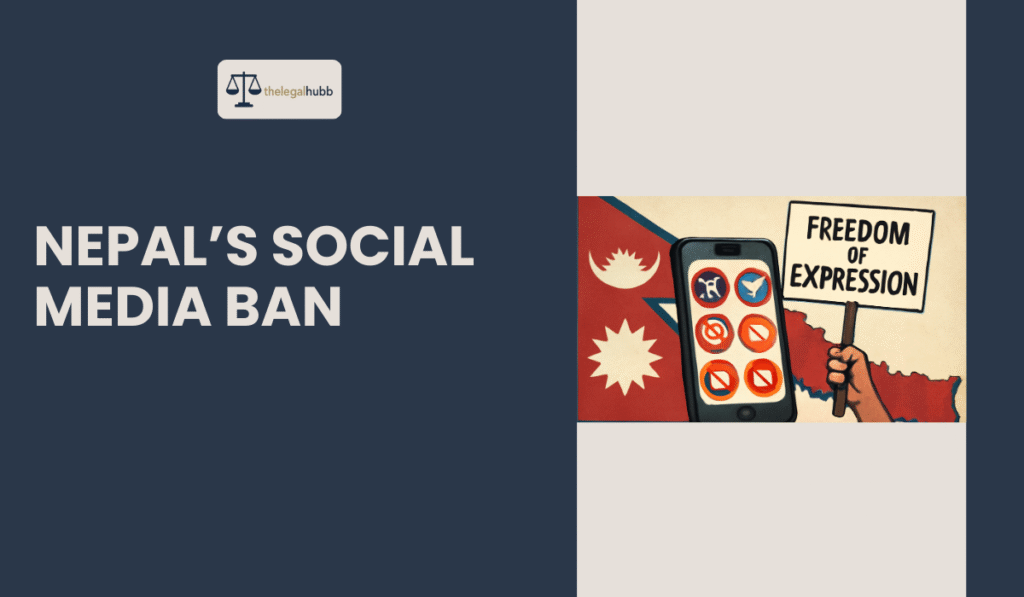
In a move that has ignited intense debate both within and outside its borders, Nepal has imposed a sweeping ban on 26 social media platforms and messaging apps, including some of the most widely used platforms like Facebook, Instagram, WhatsApp, YouTube, X, Reddit, LinkedIn, and Signal. The decision, which came into effect at midnight on Thursday, has already triggered widespread criticism from human rights organizations, journalists, and civil society groups, who see it as a direct assault on freedom of speech and digital rights.
Why Did Nepal Impose the Ban?
The government of Prime Minister KP Sharma Oli justified the ban by accusing the companies of failing to comply with newly introduced social media regulations. According to Nepal’s Ministry of Communications and Information Technology, all platforms were given seven days to register with the government after a court order, but most of them did not meet the deadline. In response, authorities issued an order to “deactivate” these platforms across the country.
Interestingly, only five companies—including TikTok—complied with the new rules and were allowed to operate. The government insists that the ban is about upholding the constitution, protecting sovereignty, and ensuring that foreign tech companies respect Nepal’s laws.
Impact on Society and Economy
The consequences of the ban were felt almost immediately. Nepal’s tourism industry, which depends heavily on social media for outreach, bookings, and promotions, was thrown into disarray. Small businesses that rely on platforms like Instagram and Facebook to reach customers found themselves cut off overnight. For ordinary citizens, the shutdown created communication hurdles, especially for the large section of the population with family members living and working abroad.
The move has also disrupted the free flow of information, leaving many Nepalese citizens without access to global conversations, news, and digital marketplaces. For a developing country that increasingly relies on digital infrastructure, the ban raises concerns about long-term economic setbacks.
Voices of Protest
Over the weekend, journalists and activists staged demonstrations in Kathmandu, holding placards with slogans such as “No shutdown of social networks, no silencing of voices” and “Freedom of expression is our right.” The protest highlighted growing fears that Nepal’s democratic values are being undermined.
International watchdogs also weighed in. The Committee to Protect Journalists (CPJ) issued a strong statement warning that Nepal’s action set a dangerous precedent for press freedom in South Asia.
Government’s Defense
Prime Minister Oli has remained defiant, dismissing the criticism. In a fiery speech, he argued that national independence and dignity outweigh the business losses or job cuts caused by the ban. According to him, allowing tech companies to operate without registering or respecting Nepal’s laws would amount to undermining the nation’s sovereignty.
This narrative of “national dignity” resonates with some sections of the population, but critics argue that it masks a growing authoritarian tendency in Oli’s governance style.
A Pattern of Control
This is not Nepal’s first brush with social media restrictions. In 2023, TikTok was banned for nine months due to concerns over hate speech and cybercrime, but the ban was lifted once the company agreed to comply with government regulations. Current developments suggest that the government is keen on extending similar regulatory control over other platforms.
Moreover, several draft bills under discussion in Nepal’s parliament could tighten restrictions even further. Provisions in these bills would allow authorities to fine or imprison individuals for online content deemed harmful to “national interest,” revoke licenses of journalists, or even shut down newspapers.
Balancing Regulation and Rights
The controversy surrounding the ban underscores a broader tension faced by many governments: how to regulate powerful global tech platforms without eroding fundamental rights. On one hand, there is a legitimate case for ensuring that companies operating in Nepal adhere to local laws. On the other, blanket bans risk stifling free expression, cutting off vital communication channels, and damaging the economy.
As Nepal grapples with this dilemma, the outcome will likely shape its democratic trajectory in the years to come. Will the country manage to strike a balance between digital sovereignty and free speech, or will it slide into a more restrictive model of governance?
For now, Nepalese citizens remain caught in the middle—unable to connect, share, and communicate freely in an increasingly digital world.