
A Diplomatic Breakdown in a Sensitive Region
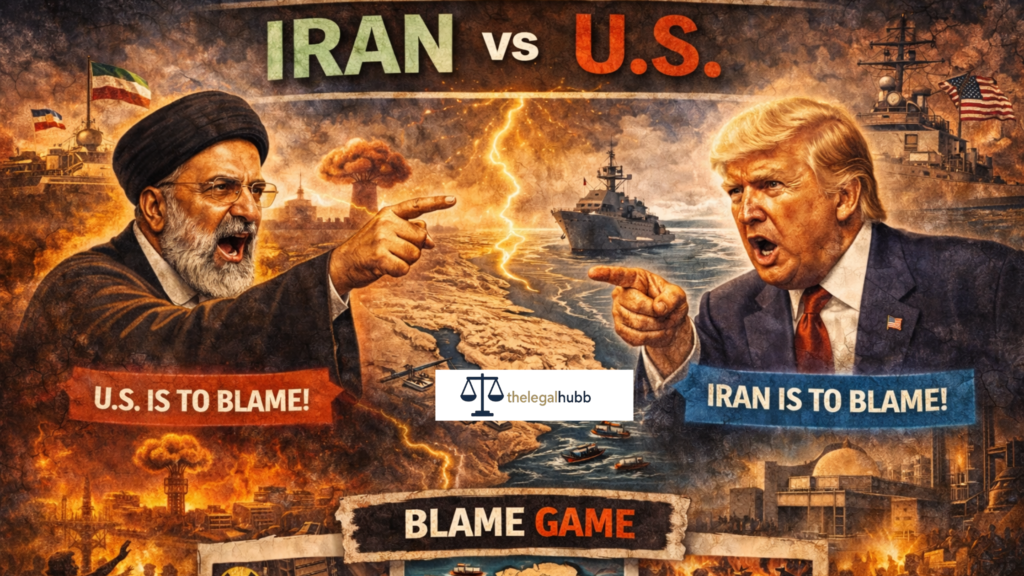
The recent collapse of talks between Iran and the United States marks yet another episode in a long history of strained relations between the two nations. Despite face-to-face engagement, the negotiations failed to produce any agreement, with both sides attributing responsibility for the breakdown to each other.
The United States alleged that Iran was unwilling to take a clear stand on abandoning its path toward developing nuclear weapons. Iran, however, rejected this claim and instead accused the U.S. of placing unreasonable demands and overstepping diplomatic limits.
This exchange of accusations highlights a deeper issue—a persistent lack of trust that continues to derail diplomatic progress.
The Shadow of a Fragile Ceasefire
The timing of this failed negotiation is particularly significant. The talks took place against the backdrop of a temporary ceasefire in West Asia, which is now under serious threat. With the ceasefire expected to expire soon and no agreement in place, the possibility of renewed hostilities looms large.
Neither country has clearly indicated what steps will follow if the ceasefire collapses. This uncertainty has created anxiety not only within the region but also among global powers closely monitoring developments.
Attempts by countries like Pakistan to facilitate dialogue indicate that diplomatic channels are still open, but their success remains uncertain.
Nuclear Tensions at the Core
At the heart of the Iran–U.S. conflict lies the issue of Iran’s nuclear programme. The United States and its allies have consistently expressed concern that Iran may be pursuing nuclear weapons capability, which could destabilise the region.
Iran, on the other hand, maintains that its nuclear programme is intended for peaceful purposes such as energy generation and scientific advancement.
This disagreement is not new. It has led to years of sanctions, negotiations and occasional agreements, including the now-weakened nuclear deal framework. The current breakdown suggests that both sides remain far apart on fundamental issues.
Escalation Through Strategic Signalling
Following the collapse of talks, the United States signalled a more assertive military posture. Statements regarding a potential naval blockade of the Strait of Hormuz have raised global alarm.
This strait is one of the most strategically important maritime chokepoints in the world. A significant portion of global oil shipments passes through it, making it a critical artery for international trade and energy supply.
Any attempt to block or control access to this route could:
- Disrupt global oil markets
- Increase fuel prices worldwide
- Trigger broader geopolitical tensions
Such moves indicate that the conflict is not just diplomatic but could also take on military dimensions.
The Geopolitical Stakes
The Iran–U.S. standoff extends far beyond bilateral relations. It is deeply embedded in the geopolitics of West Asia, involving multiple actors and interests.
Countries in the region, as well as global powers, are closely watching the situation because instability here can have cascading effects. The region is vital for energy resources, trade routes and strategic alliances.
The involvement of other nations in potential maritime operations also suggests that the conflict could widen if tensions escalate further.
A Crisis of Trust and Diplomacy
One of the most striking aspects of the situation is the complete erosion of trust between the two countries. Even when talks are held, they fail to produce meaningful outcomes because both sides remain sceptical of each other’s intentions.
Diplomacy in such a scenario becomes extremely difficult. Agreements require compromise, but neither side appears willing to make concessions without guarantees that the other will reciprocate.
This creates a cycle where negotiations begin with hope but end in blame.
Implications for Global Stability
The consequences of this standoff are not limited to Iran and the United States. The entire international community has a stake in the outcome.
Key global concerns include:
- Energy Security: Disruptions in the Strait of Hormuz could affect oil supply worldwide
- Economic Stability: Rising fuel prices can trigger inflation and economic slowdown
- Security Risks: Military escalation could lead to wider regional conflict
Thus, what appears as a bilateral dispute has the potential to impact the global order.
The Way Forward
Resolving the Iran–U.S. conflict requires sustained diplomatic engagement, confidence-building measures and possibly mediation by neutral parties.
A return to structured negotiations, with clearly defined objectives and mutual commitments, may help rebuild trust. However, this will require political will from both sides.
Without dialogue, the situation risks moving from diplomatic deadlock to open confrontation.
Conclusion
The collapse of talks between Iran and the United States is a reminder of how fragile international diplomacy can be in the absence of trust and compromise. As both sides continue to blame each other, the real risk lies in the consequences of prolonged tension.
In a world increasingly interconnected, conflicts of this nature do not remain confined—they ripple across economies, regions and political systems.
The challenge now is not just to resume talks, but to ensure that future negotiations move beyond blame and toward meaningful resolution.