- What is meant by Artificial Intelligence? Discuss its different classifications and the manner in which AI systems operate in contemporary technological settings.
- Examine how the emergence of Artificial Intelligence challenges traditional legal doctrines such as intention, negligence, and legal responsibility.
- Provide a definition of Artificial Intelligence and describe the major features of AI that are particularly relevant in legal and judicial contexts.
- Explain the idea of granting legal personality to Artificial Intelligence. Evaluate the arguments supporting and opposing the recognition of AI as a legal person.
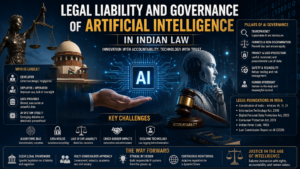
- Assess the present legal and regulatory structure governing Artificial Intelligence in India. How effective is it in addressing technological developments?
- Discuss the potential legal risks arising from the use of Artificial Intelligence, particularly in relation to data misuse, algorithmic mistakes, and lack of accountability.
- Analyse the difficulties that Artificial Intelligence creates for existing legal principles relating to liability and fault.
- Evaluate whether the current Indian legal framework is sufficient to regulate the challenges posed by Artificial Intelligence and emerging technologies.
- Discuss the major ethical and legal issues that arise from the growing use of Artificial Intelligence in areas such as governance, commerce, and decision-making processes.
- Explain why India may require a separate legislative framework specifically dealing with Artificial Intelligence. What essential principles should such a law include?