
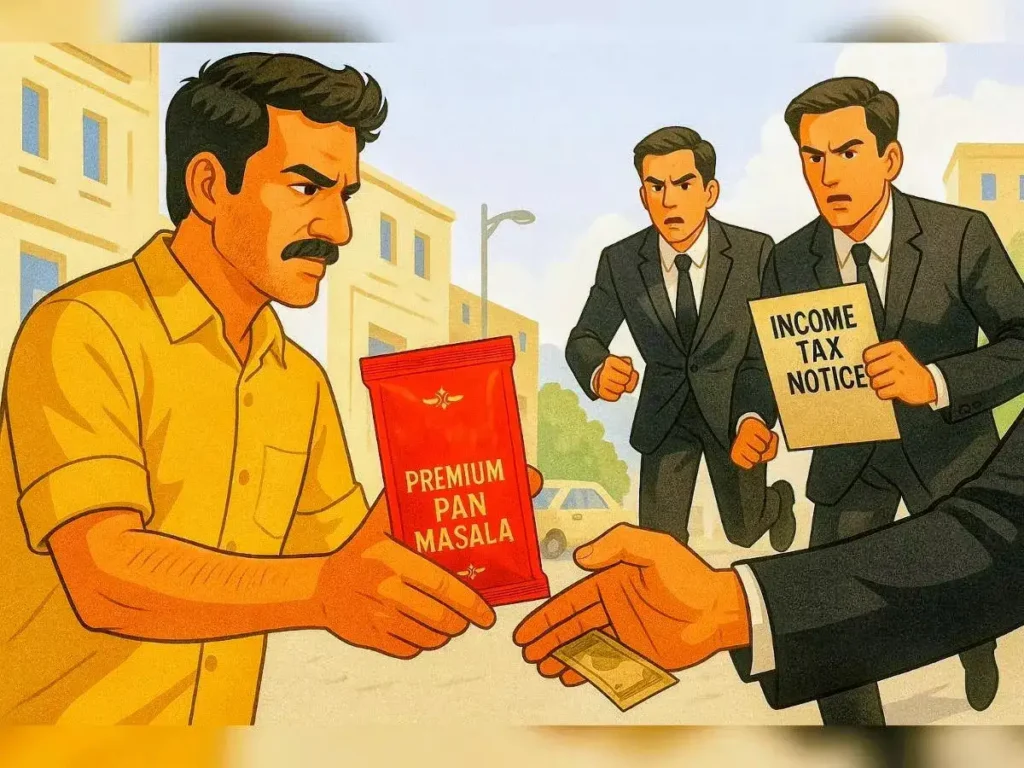
In a major policy move that combines public health protection and fiscal reform, the Union Government of India has introduced two significant Bills aimed at imposing a pan masala cess and increasing excise duties on tobacco products. The Bills—tabled by Union Finance Minister Nirmala Sitharaman in the Winter Session of Parliament—represent the government’s continued push to curb harmful consumption patterns while strengthening the national health ecosystem and aligning tax structures with current socio-economic realities.
These Bills have sparked discussions on taxation, health governance, federal fiscal responsibility, and the rising need to regulate harmful consumer products that burden the public health system.
1. Background: Why New Taxes on Pan Masala and Tobacco?
India is among the world’s largest consumers of tobacco and pan masala, products known to cause severe long-term health damage, including:
- Oral cancer
- Lung cancer
- Chronic obstructive pulmonary disease (COPD)
- Heart disease
- Dental and gastrointestinal disorders
According to the WHO Global Report on Tobacco Use (2023), tobacco consumption remains one of India’s leading preventable causes of death, contributing to over 1 million deaths annually. Pan masala—often marketed as mouth freshener—contains chemical additives and stimulants like areca nut, which is classified by the International Agency for Research on Cancer (IARC) as a Group 1 carcinogen.
These alarming statistics create a compelling justification for the government’s intervention through taxation—recognized worldwide as the most effective tool to deter consumption.
2. The Bills Introduced: Explained in Detail
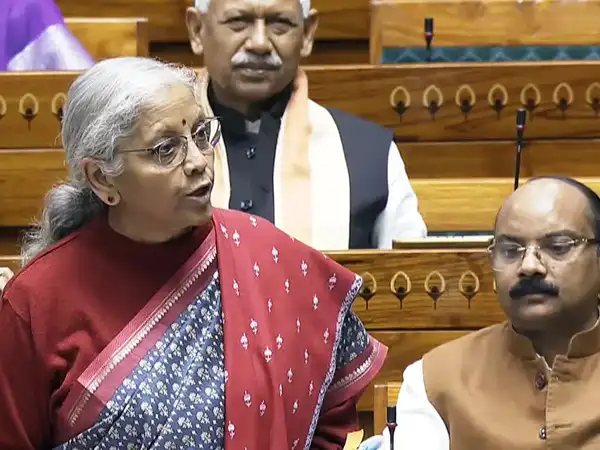
On Monday, Finance Minister Nirmala Sitharaman introduced two legislative measures:
2.1 The Health Security Cess Bill, 2025
This Bill proposes a new Health Security Cess on:
- Pan masala
- Tobacco products
- Similar harmful consumables produced using installed machinery
Purpose of the Health Security Cess
The cess aims to fund:
- National Health Security Programmes
– Strengthening long-term preparedness for pandemics, epidemics, and biological emergencies. - Public Health Infrastructure Modernization
– Funding hospitals, diagnostic labs, primary healthcare centres. - Emergency Response Capabilities
– Capacity-building for crises like COVID-19, Nipah, etc.
Why a Separate Health Cess?
Medical experts argue that the public health burden caused by tobacco and pan masala leads to:
- Higher cancer treatment costs
- Increased hospital admissions
- Long-term medical rehabilitation expenses
By introducing a dedicated cess, the government ensures that revenue from harmful products is redirected toward mitigating the very health damage they create.
2.2 The Central Excise (Amendment) Bill, 2025
The second Bill focuses on amending excise rules to:
- Increase duties on pan masala
- Increase duties on tobacco products
- Strengthen regulatory oversight of mechanized manufacturing units
Key Highlights of the Amendment
- “Machines installed” or “processes undertaken” in manufacturing will determine the duty.
- Mechanized units will face higher excise liability, discouraging mass, low-cost production.
- It closes loopholes exploited by manufacturers who shift between manual and machine-based production to evade taxes.
3. GST Compensation Cess: Understanding the Link
To appreciate the significance of these new taxes, we must understand India’s GST compensation structure.
3.1 What is GST Compensation Cess?
Introduced in 2017, the cess was designed to compensate States for revenue loss after GST rollout for five years.
Products such as:
- Tobacco
- Coal
- Aerated drinks
- Pan masala
were taxed additionally to fund this compensation.
3.2 Post-Pandemic Reality
During the COVID-19 period (2020–21 and 2021–22):
- Cess collections fell drastically
- Economic slowdown reduced consumption of high-cess items
- States demanded compensation
- The Central Government had to borrow funds to meet commitments
With this deficit, increasing duties on tobacco and pan masala now:
- Helps stabilize revenue
- Assures States of continued fiscal support
- Strengthens India’s health financing mechanisms
4. Public Health Perspective: Why This Move Matters
Experts widely acknowledge that raising taxes is the single most effective strategy for reducing tobacco consumption, particularly among:
- School and college youth
- Lower-income groups
- First-time users
4.1 International Evidence
Countries like Australia and Singapore have seen dramatic drops in tobacco consumption after sustained tax hikes.
4.2 India’s Context
According to the ICMR (2022):
- More than 50% of oral cancer cases in India are linked to tobacco and areca nut.
- Treatment costs for oral cancer alone can exceed ₹5–10 lakh per patient, burdening hospitals and families.
Thus, the new cess and duties are aligned with public health economics—a preventive approach that reduces future healthcare expenditure.
5. Economic and Industrial Implications
5.1 Impact on Manufacturers
Companies producing low-cost, high-volume tobacco and pan masala may face:
- Increased tax burdens
- Compulsory compliance with updated excise norms
- Stricter monitoring of machinery and production methods
5.2 Impact on Consumers
Product prices are expected to rise substantially, leading to:
- Reduced consumption
- Shift of users towards cessation programs
- Lower addiction among youth
5.3 Impact on Government Revenue
Higher duties + Health Security Cess = stronger revenue flow for:
- Public health schemes
- Compensation to States
- Long-term national health mission
6. Political Context: Debate and Uproar
The Winter Session witnessed heated discussions. Amid protests from the Opposition, the Manipur GST Bill was also passed, which replaced an earlier GST-related Ordinance in the state.
While opposition parties raised concerns about economic impacts, the government maintained that:
- Health considerations justify the decision
- Revenue support for States is essential
- Public interest outweighs industry discomfort
7. Conclusion
The introduction of the Health Security Cess Bill, 2025 and the Central Excise (Amendment) Bill, 2025 marks an important moment in India’s health and fiscal policy landscape.
These legislative actions reflect a balanced approach:
- Protecting public health
- Discouraging harmful consumption
- Strengthening health infrastructure
- Ensuring revenue stability
- Fulfilling GST compensation obligations
At a time when lifestyle diseases and addiction-related illnesses are rising, such targeted taxation is both necessary and beneficial. These Bills, once enacted, may significantly reshape India’s approach to regulating harmful consumer products while supporting broader national health goals.
References / Sources
- The Hindu Bureau. (2025). Centre moves Bills for pan masala cess and higher duties on tobacco products. The Hindu (Print & Digital Edition).
- Ministry of Finance, Government of India. (2025). Text of the Health Security Cess Bill (Proposed).
- Ministry of Finance, Government of India. (2025). Central Excise (Amendment) Bill (Proposed).
- Goods and Services Tax Council. (2017–2024). GST Compensation Cess Rules & Notifications.
- Indian Council of Medical Research (ICMR). (2022–2024). Reports on Cancer Burden and Tobacco Use in India.
- World Health Organization (2023). Global Tobacco Epidemic Report.
- International Agency for Research on Cancer (IARC). (2021). Carcinogenicity of Areca Nut & Smokeless Tobacco.