Course Content
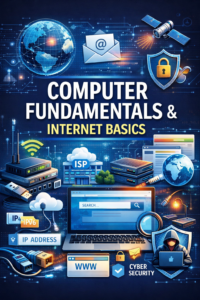
| Unit I | BASIC OF COMPUTER & CYBER SECURITY | 9 Hours |
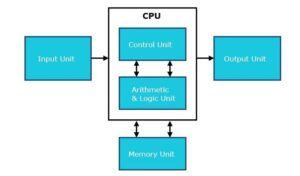
| Computers and its components, Application Software and System Software, Introduction to Operating System, Basics of Networks and internet, Types of Networks, Definition of Cyber Security Search Engines, E-mails and WWW’, Internet working Devices, Internet Service Provider, IP Address, Working of Email System, Domain Name System, Blogs, Peer to Peer sharing, Cryptography, type, goals, PKI, Digital signatures and electronic signatures, Electronic Payment system and Taxation Computer & Cyber Security: Types of Attacks, Network Security, Overview of Security threats, Hacking Techniques, Password cracking, Insecure Network connections, Malicious Code, Concept of Fire Wall Security, Advance Computers, Network & Mobile Security Techniques | ||
| Unit II | INFORMATION TECHNOLOGY LAW | 12 Hours |
| Evolution of the IT Act, Genesis and Necessity Salient features of the IT Act, 2000; various authorities under IT Act and their powers. ; Penalties & Offences, amendments Impact on other related Acts ( Amendments to Indian Penal Code, Amendments to Indian Evidence Act, Amendments to Bankers Book Evidence Act, Amendments to Reserve Bank of India Act.) Cyber Space Jurisdiction ( Jurisdiction issues under IT Act, 2000, Traditional Principals of Jurisdiction, Extra terrestrial Jurisdiction, Case Laws on Cyber Space Jurisdiction) E-commerce and Laws in India (Digital/ Electronic Signature in Indian Laws, E-Commerce; Issues and provisions in Indian Law, E-Governance; concept and practicality in India, E-Taxation issues in Cyberspace, E-Contracts and its validity in India, Cyber Tribunal & Appellate Tribunal, Cyber Regulations Copyright and WIPO Treaties, Concept of Patent Right, Relevant Provisions of Patent Act 1970) Sensitive Personal Data or Information (SPDI) in Cyber Law (SPDI Definition and Reasonable Security Practices in India, Reasonable Security Practices – International perspective) Cloud Computing & Law, Cyber Law : International Perspective | ||
| Unit III | CYBER CRIME & INVESTIGATION PROCEDURES | 12 Hours |
| Cyber Forensic and Computer Crimes and types, Crimes targeting Computers: Definition of Cyber Crime & Computer related crimes, Classification & Differentiation between traditional crime and cyber crimes. Cyber Criminal Mode and Manner of Committing Cyber Crime, Prevention of Cyber Crimes & Frauds Critical analysis & loop holes of The IT Act,2000 Cyber Crimes : freedom of speech in cyber space & human right issues Digital Forensics (Computer Forensics, Mobile Forensics, Forensic Tools, Anti-Forensics) Electronic/Digital Evidence laws & case Laws, International Organizations and Their Roles | ||
| Unit IV | CYBER AND CYBER SECURITY LAW | 12 Hours |
| Cyber Law and its importance, Advantages of Cyber Law, Cybersecurity Law, Role of Cyber Laws in Cybersecurity’s, Types of Cyber Laws, Cyber Security Laws and Regulations in India, Cyber Security Laws in the United States (US) Obligations of data fiduciary, Rights and Duties of data principal, Special Provisions, Data Protection Board of India; Power, Function and Procedure to be followed by Board, Appeal and Alternate dispute Resolution, Penalties and Adjudication. | ||
Learning Experience: This course will be delivered through interactive lectures, hands-on lab sessions, case studies, and practical assessments, providing a comprehensive understanding of computer and cyber security laws. Unit I will introduce basic concepts through lectures, followed by practical sessions on network security, email systems, and cryptography. In Unit II, group discussions and case studies will facilitate the understanding of IT law and its implications for e-commerce, digital signatures, and data protection. Units III and IV will emphasize cyber crime investigations and cyber law application, supported by digital forensic labs, role plays, and mock legal scenarios. Regular quizzes, tests, and real-world simulations will enhance learning outcomes and prepare students for practical challenges in cyber security.
Textbooks
- “Cyber Law: Maximizing Safety and Minimizing Risk in Classrooms” by Aimee M. Bissonette and Douglas R. Bissonette.
- “Cyber Law: A Legal Arsenal for Online Business” by Brett J. Trout
Suggested Readings
- Cyber Law: The Law of the internet and Information Technology” By Jonathan Rosenoer
- “Cyber Law: Cases and Materials” by Raymond S. R. Ku and Jacqueline D. Lipton.
Open Educational Resources (OER)